


Innovative Finance
August 1, 2024



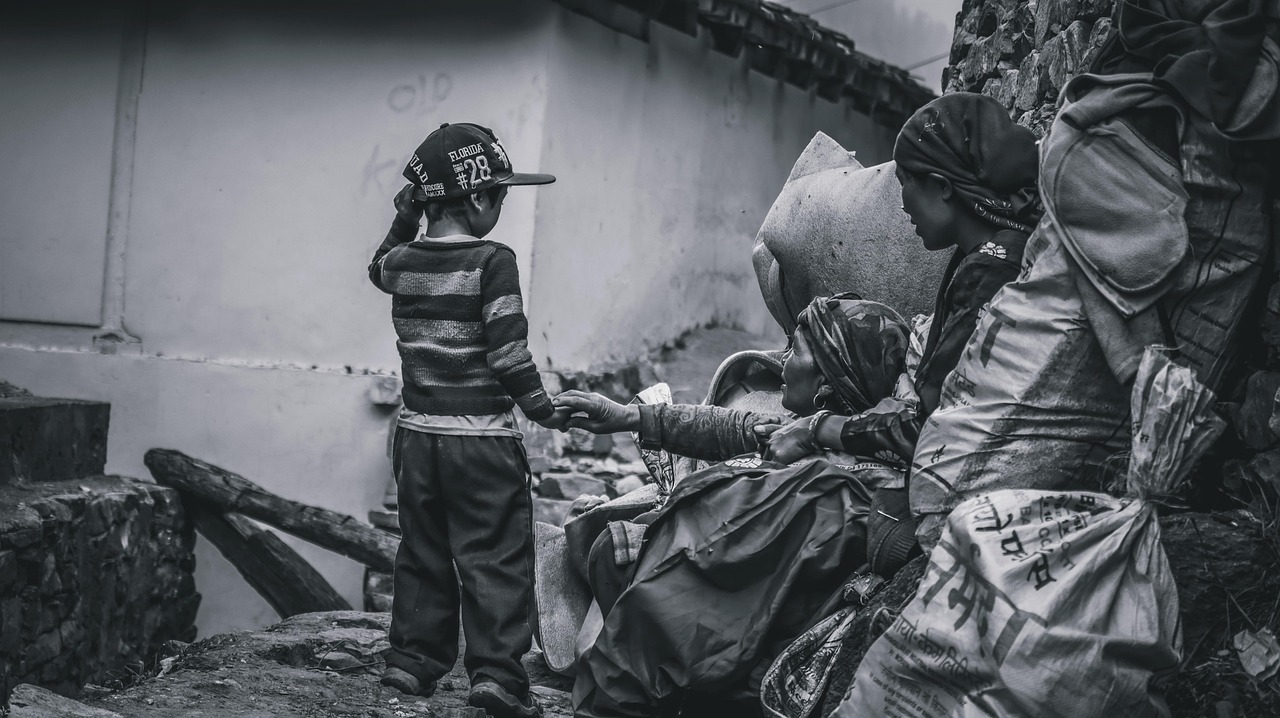
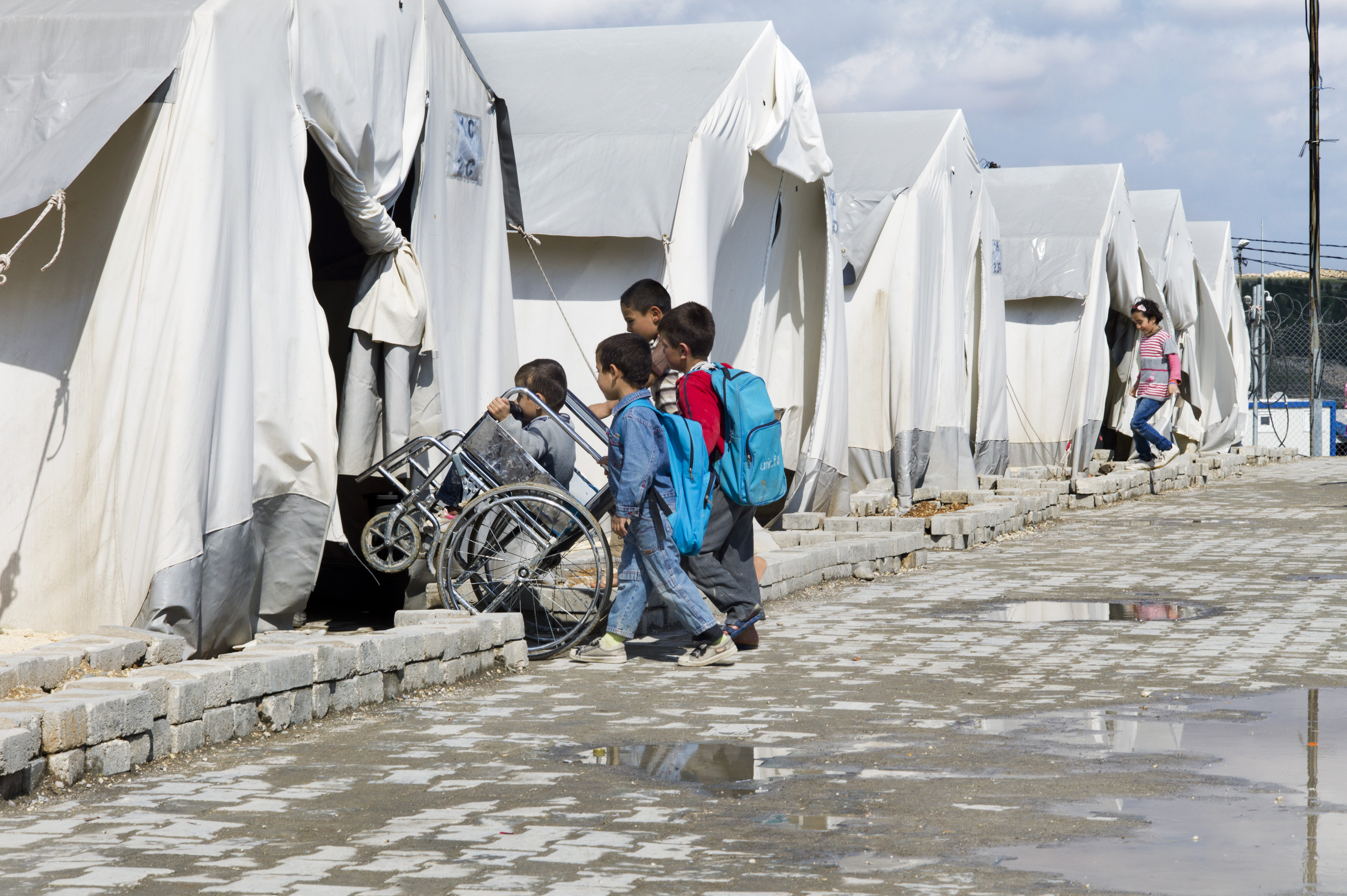
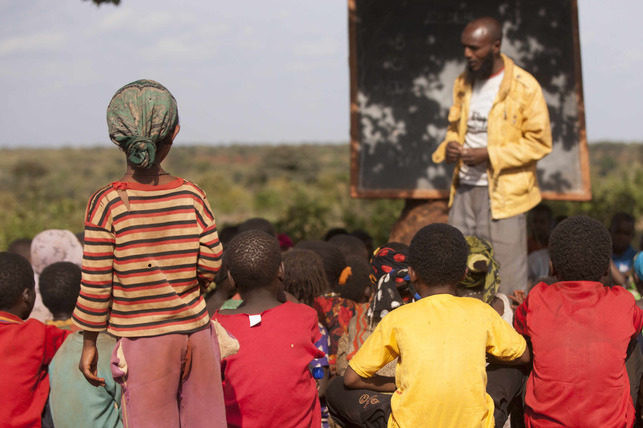
Access to quality primary education remains a significant challenge for refugee and internally displaced children worldwide. These vulnerable populations often face barriers to enrollment and retention in educational systems, exacerbating existing inequalities and limiting their opportunities for personal and professional growth. Refugee children also face unique barriers to education, including limited resources, inadequate infrastructure, and disruptions caused by conflict and displacement. Recognizing this pressing issue, the UNHCR-EAC Programme 2015-2019 was initiated to address the educational needs of out-of-school refugee and internally displaced children across multiple regions.
The UNHCR-EAC Programme aimed to provide access to quality primary education for out-of-school refugee and internally displaced children while also supporting their retention once enrolled. Implemented in 14 different locations across 12 countries in Africa, Asia, and the Middle East, the Programme adopted a comprehensive approach to addressing the multifaceted challenges these vulnerable populations face. Alongside improving access to education, the Programme enhanced teaching resources, engaged governments and local communities, strengthened partnerships, and implemented child protection measures, including sports-based activities, to create safer and more supportive learning environments.
The UNHCR-EAC Programme achieved remarkable success, enrolling 949,028 out-of-school children, exceeding the initial target of 935,000 by 101.5%. Notably, the original target was amended upward twice, from 448,097 to 807,670 and 935,000, reflecting the Programme's commitment to expanding its reach and impact.
To accomplish this feat, the Programme organized its activities under eight distinct objectives:
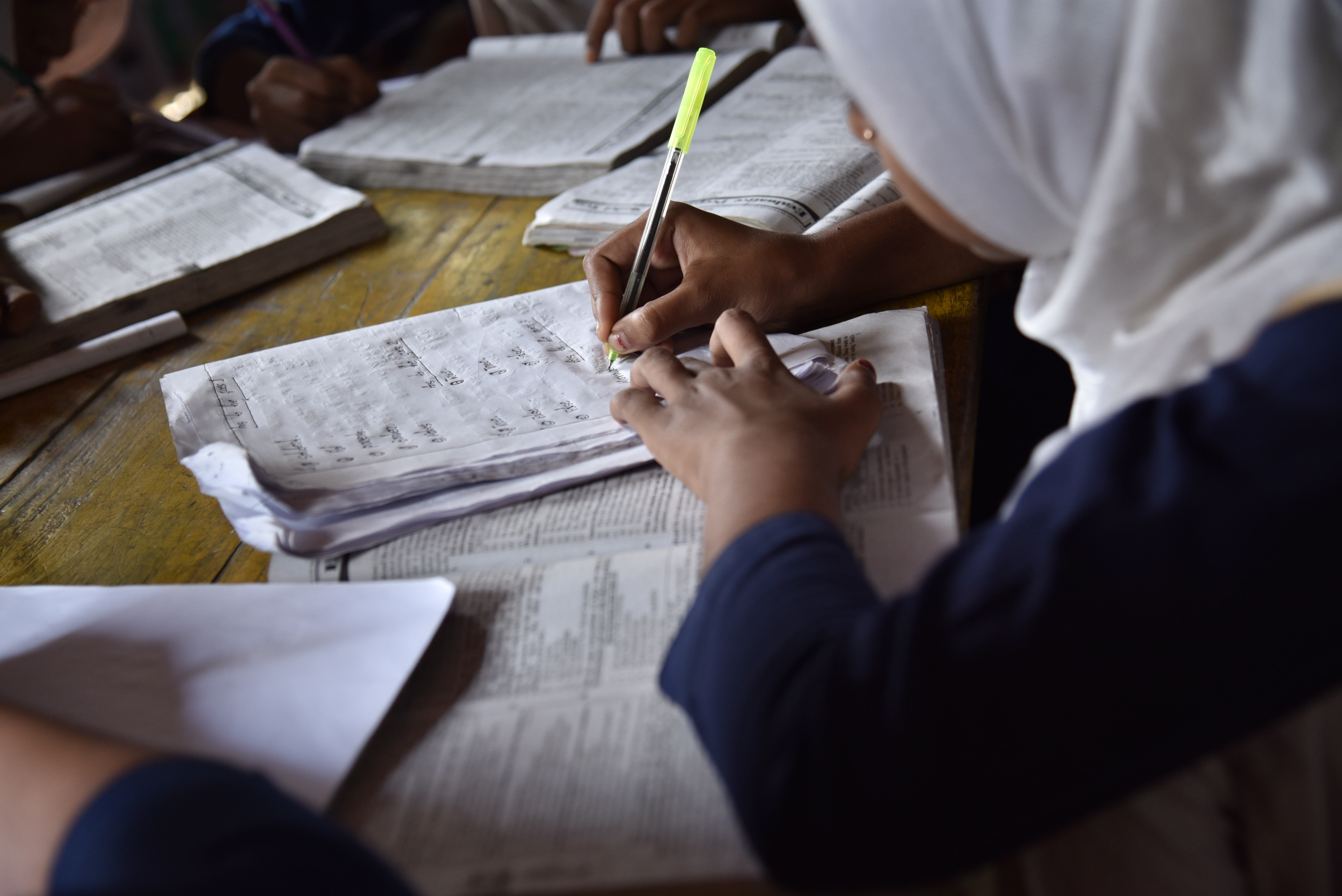
- Expanding access to education: Through the construction and rehabilitation of classrooms, provision of school furniture and resources, payment of fees, and cash grants, the Programme facilitated enrollment and retention of children in educational institutions.
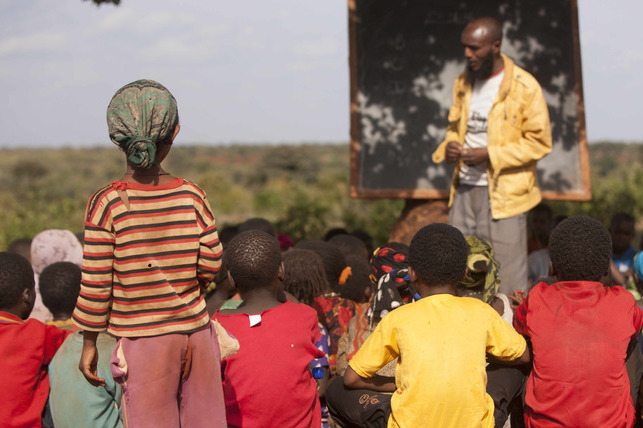
- Improving the quality of teaching and learning: By recruiting and deploying teachers, providing textbooks and teaching materials, conducting teacher training, and supporting extracurricular activities, the Programme enhanced the overall quality of education.
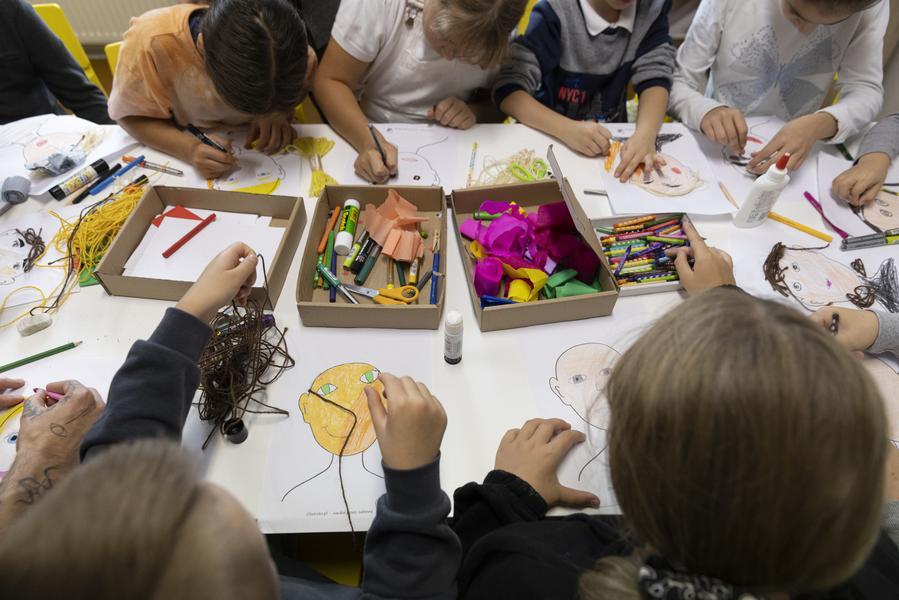
- Ensuring safe learning environments: Providing school uniforms, psychosocial assistance, and other measures contributed to creating a secure and conducive environment for learning.
- Promoting awareness and advocacy: Sensitization campaigns and education counseling fostered a better understanding of the importance of education for refugee children.
- Improving data collection and management: Capacity-building initiatives for teachers and improvements to data management systems facilitated better program monitoring and decision-making.
- Strengthening partnerships: Regular coordination with Ministries of Education and other stakeholders enabled the Programme to leverage existing resources and expertise.
- Emphasizing community participation: Support for Parent-Teacher Associations (PTAs) and Student Management Committees (SMCs) fostered community engagement and ownership.
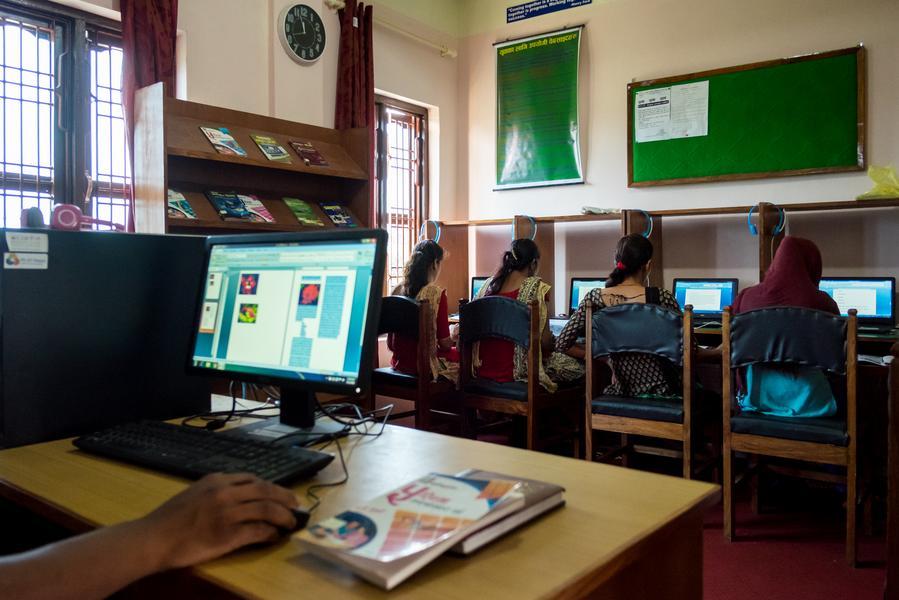
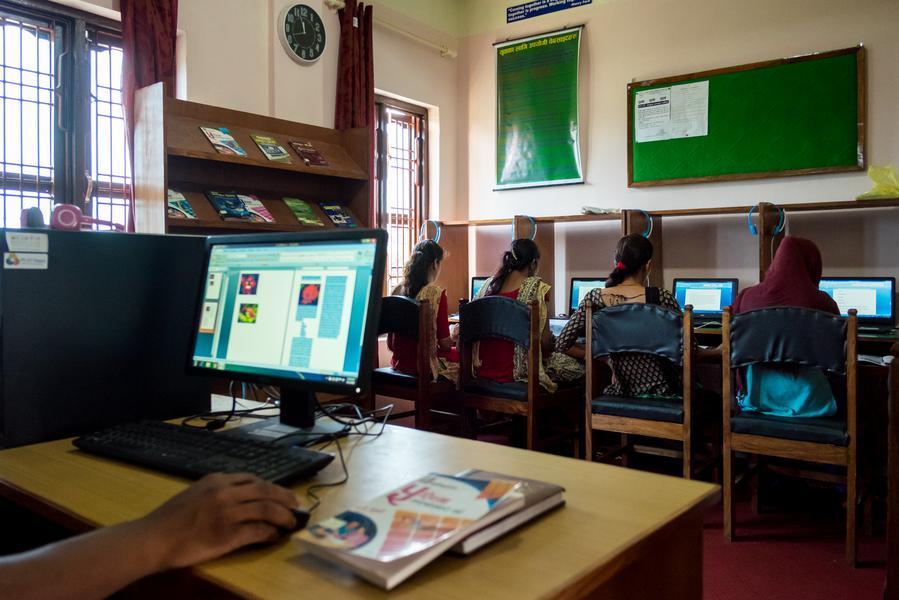
- Promoting innovation: Providing computers, internet access, and other technological resources facilitated innovation in teaching, learning, and data management.
The Programme also demonstrated considerable adaptability in responding to operational challenges. Country operations used community-led enrolment campaigns, door-to-door outreach, and teacher support initiatives to help identify and enroll out-of-school children and sustain learning despite disruptions, illustrating the flexibility of the Programme's implementation.
The UNHCR-EAC Programme 2015-2019 exemplifies a comprehensive and holistic approach to addressing the educational needs of refugee and internally displaced children. By targeting multiple facets of the educational ecosystem, from infrastructure and resource provision to capacity-building child protection, stakeholder engagement, and community engagement, the Programme succeeded in enrolling and retaining out-of-school children. Its implementation also demonstrated the value of adaptive, locally driven approaches to overcoming barriers to education and reaching vulnerable learners.
As the world continues to grapple with the displacement of populations due to conflicts, natural disasters, and other crises, the lessons learned from the UNHCR-EAC Programme can inform future initiatives aimed at ensuring equitable access to quality education for all children, regardless of their circumstances.